

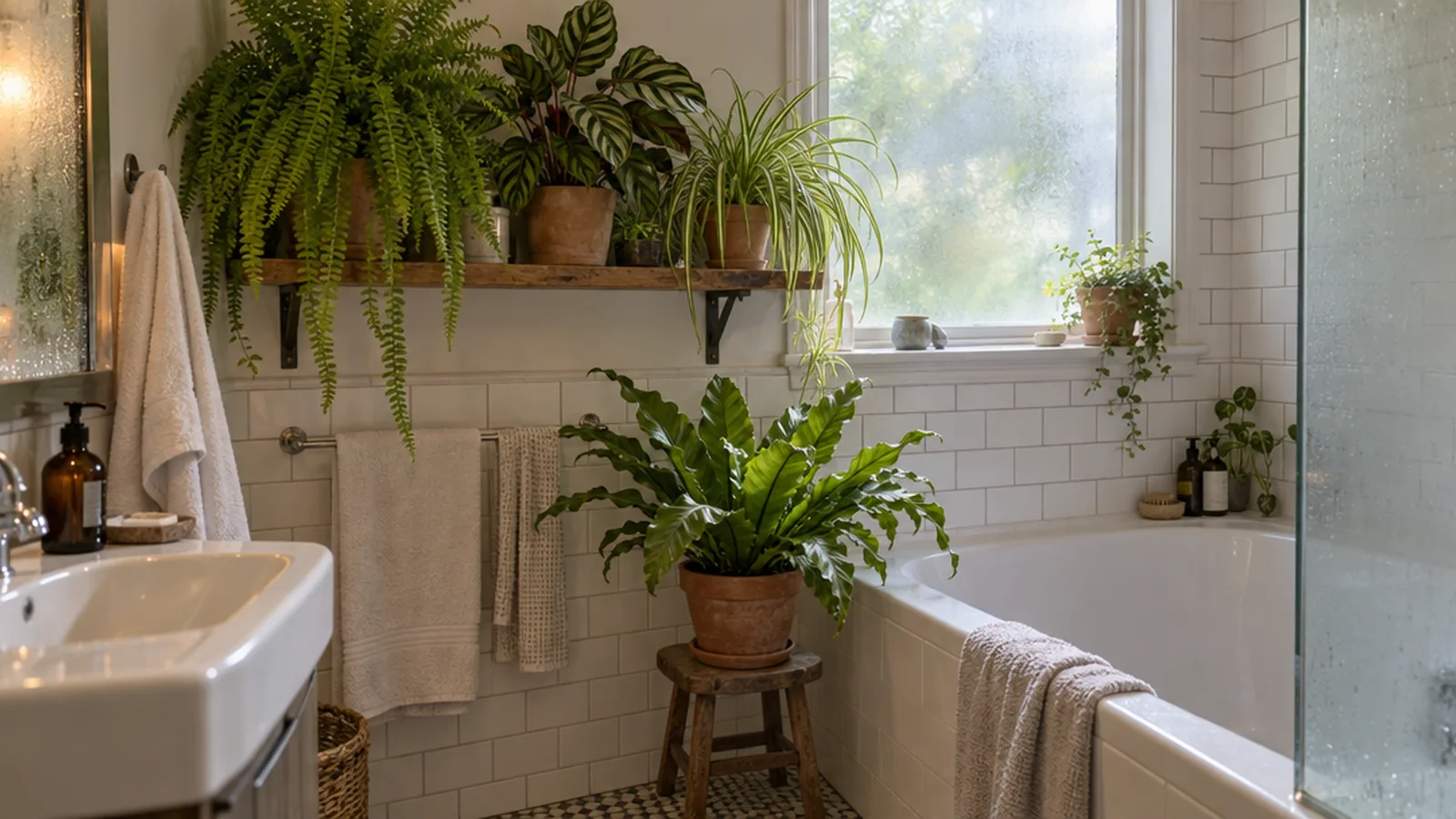
Choosing Plants is about matching a plant to the home it is going into. The right choice depends on how much light reaches the spot, how warm and dry the room gets, how much attention you can give, and who else lives with you. These guides sort plants by those conditions, and they help you identify the plant you already have.
How we approach plant picks
We start with the spot, not the plant. A plant that thrives in a bright south window will sulk in a north-facing bedroom, no matter how good it looked at the store. Each recommendation explains which conditions it suits and where it is likely to struggle, so you can judge the fit for yourself.
Main sub-topics
Low Light Indoor Plants
Low Light Indoor Plants covers plants that tolerate dim rooms, north-facing windows, offices and spots well back from the glass. It is honest that no plant grows in complete darkness, and it explains the difference between surviving and thriving.
Pet Safe Houseplants
Pet Safe Houseplants covers plants generally listed as non-toxic to cats and dogs, along with clear answers about common plants that are not safe. Lilies are especially dangerous to cats, and many popular houseplants cause problems if chewed. Always confirm with the ASPCA plant list or your veterinarian before bringing a new plant home.
Plants by Room
Plants by Room matches plants to bedrooms, bathrooms, living rooms and corners. It takes into account the humidity, light and foot traffic each room usually has.
Types Of Indoor Houseplants
Types Of Indoor Houseplants is the identification and variety section. It covers philodendron, peperomia, hoya, calathea, tradescantia, palm, fern and other varieties, along with rare collector plants and how to tell look-alikes apart.
Succulents
Succulents helps you choose and identify cacti and succulents, including flowering kinds and the often confused holiday cacti.
Houseplant Benefits
Houseplant Benefits looks at what plants can and cannot do for a home. Greenery can make a room more pleasant, and caring for plants is a satisfying routine for many people. At normal household numbers, though, houseplants do not measurably purify indoor air, and these guides say so plainly.
Questions to ask before you buy
- Which direction does the nearest window face, and how far from it will the plant sit?
- Does the room get dry radiator or forced-air heat in winter?
- Will a cat, dog or small child be able to reach it?
- How big will it get, and do you have room for that?
- How often will you realistically remember to water?
Related categories
Once you have chosen a plant, Plant Care covers how to keep it healthy. If you want ideas for where to put it, Plant Decor covers styling and display.